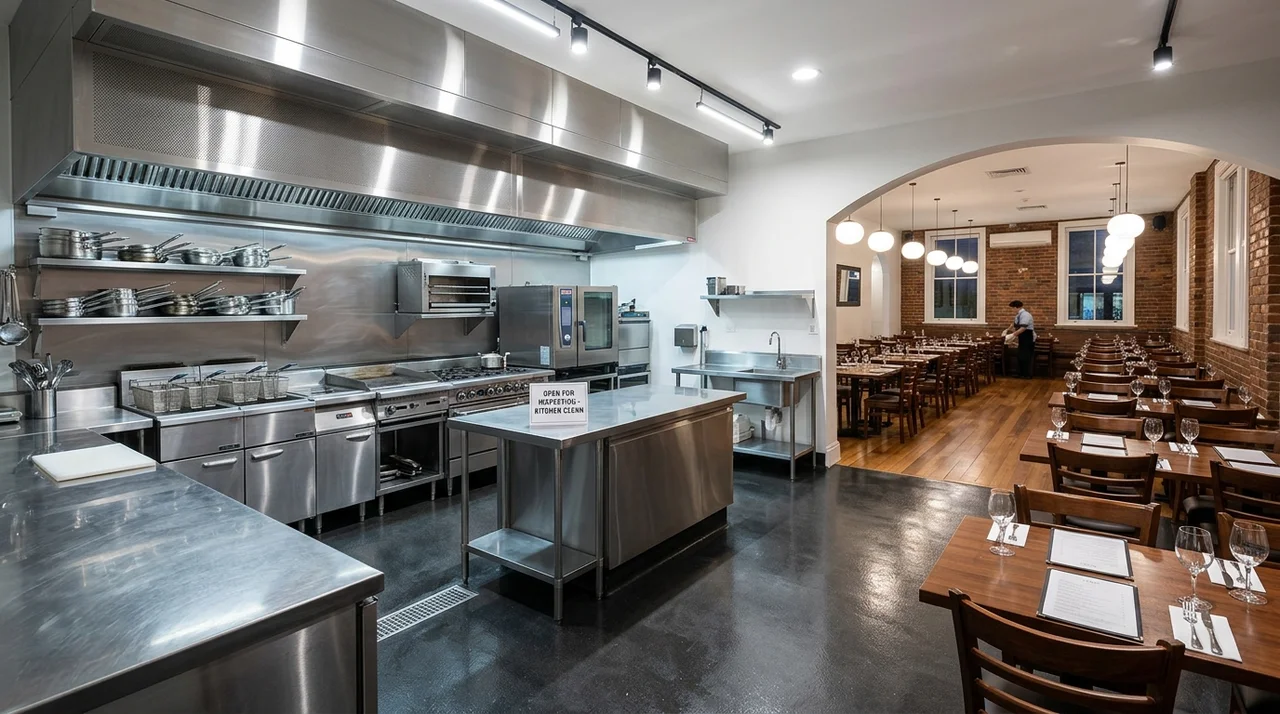
Daycare cleaning services Nashville, TN work differently from standard office cleaning. The occupants in the building are infants, toddlers, and young children. Surfaces are touched continuously and frequently mouthed, and licensed early childhood centers are subject to strict state regulatory standards regarding facility hygiene and sanitation. Partnering with a professional commercial janitorial contractor takes a heavy burden off your educators and administrative staff, but only if the scope of work, chemical selections, and facility access protocols align strictly with your licensing mandates.
This comprehensive guide is designed for directors, board members, and owners of licensed daycares, preschools, and child care centers across the greater Nashville area who are evaluating or re-bidding janitorial services. It outlines what a commercial childcare cleaning scope should cover, how to enforce chemical safety and OSHA compliance around children, how to handle key control and staff security screening, and how to maintain inspection-ready documentation under Tennessee licensing oversight.
About Tennessee DHS Licensing Rules: In the state of Tennessee, child care agencies and early learning facilities are licensed and regulated by the Tennessee Department of Human Services (DHS). These operational rules are detailed and subject to periodic legislative updates. This guide provides industry best practices and does not replace official DHS directives. Facility directors should obtain current regulatory requirements from DHS or an assigned licensing consultant and provide applicable portions to their janitorial vendor prior to service commencement.
- Provider Regulatory Accountability: As the licensed child care operator, your program bears the legal responsibility for meeting Tennessee DHS facility standards. A commercial cleaning contractor works strictly to your approved written scope and facility directives.
- Clean Before Disinfecting: The CDC’s general facility guidance mandates physically cleaning surfaces with detergent and water prior to applying sanitizers or disinfectants (CDC, April 16, 2024). Surface soil deactivates disinfecting agents.
- Chemical Safety & OSHA Hazard Communication: Require your vendor to provide complete Safety Data Sheets (SDS) under OSHA 29 CFR 1910.1200, enforce strict post-cleaning ventilation, and secure all cleaning agents behind locked doors inaccessible to children.
- Access Control & Vetted Personnel: Establish named crew rosters, keycard/alarm management, written background checks, and clear supervision rules so outside contractors never have unmonitored contact with children.
What Do Daycare Cleaning Services Include?
A daycare janitorial scope varies based on your building layout, enrollment size, age groups served (infants, toddlers, pre-K), and operating schedule. The cleaning scope must support your written health procedures rather than replacing internal teacher responsibilities. The table below represents a standard commercial child care cleaning baseline:
Establishing Scope Exclusions: Two contracting habits protect licensed centers. First, include an explicit exclusions clause detailing tasks that internal teachers and staff retain. In early learning facilities, tasks such as washing infant toys, sanitizing mouthing objects, and preparing food-contact surfaces are almost universally retained by certified staff due to specialized regulatory compliance. Second, delineate routine nightly tasks from quarterly periodic tasks so pricing remains clear. For an overview of our comprehensive commercial offerings, explore our commercial janitorial solutions guide.
Cleaning, Sanitizing, and Disinfecting: What Should You Ask?
In a childcare setting, cleaning, sanitizing, and disinfecting are not interchangeable words—they represent distinct scientific processes defined by public health authorities:
- Cleaning: The mechanical removal of organic matter, soil, and dust using soap, water, and microfiber cloth. The CDC explicitly notes that surfaces must be cleaned before sanitizing or disinfecting because organic soil binds to and inactivates disinfectant chemistries.
- Sanitizing: Lowering microbial levels to safe public health thresholds, commonly required on dining tables, high chairs, and plastic learning tools.
- Disinfecting: Utilizing EPA-registered antimicrobial products to destroy designated pathogens on non-porous surfaces such as changing tables, diaper disposal receptacles, and restroom fixtures. Disinfection requires surfaces to remain wet for the full manufacturer dwell time (typically 2 to 10 minutes).
For specific early childhood standards, national benchmarks are established under Caring for Our Children: National Health and Safety Performance Standards (CFOC), maintained by the National Resource Center for Health and Safety in Child Care and Early Education. When interviewing a prospective janitorial provider, ask them to clarify in plain language which specific surfaces they clean versus disinfect, provide product lists for your advance approval, and explain how their team calculates and adheres to chemical contact times.
Chemical Safety Around Young Children
Young children explore environments with their hands and mouths and breathe air closer to the floor, making chemical safety in daycares far more critical than in conventional office buildings. When contracting a commercial cleaning service, establish these mandatory chemical standards in writing:
- OSHA Hazard Communication (29 CFR 1910.1200): Commercial contractors must maintain a centralized Safety Data Sheet (SDS) binder on-site and ensure all secondary spray bottles have GHS-compliant OSHA labeling. Cleaning technicians must be documented as trained in chemical safety.
- After-Hours Application: Disinfectants and aerosolized chemicals should never be applied while children or teaching staff occupy the space. Operating after dismissal allows dwell times to elapse and treated surfaces to dry completely.
- Active Facility Ventilation: In accordance with CDC environmental recommendations, commercial crews should utilize HVAC air circulation or open windows during active chemical application to air out spaces and protect indoor air quality before morning arrivals.
- Secure Locked Storage: Under Tennessee DHS rules, all cleaning compounds, concentrates, and maintenance tools must remain locked in designated janitorial closets inaccessible to children at all times.
- Residue Neutralization on Child-Contact Surfaces: Clarify whether the contractor utilizes clean-water wipes or food-safe sanitizers on low tables, activity surfaces, and floors to ensure toxic chemical films do not remain for crawling toddlers.
Scheduling Around Daycare Operations
A licensed childcare center operates on strict routines. Janitorial scopes must fit seamlessly around these operational windows:
- After Closing (Evening Cleaning): The preferred schedule for child care facilities. Cleaning when the building is entirely vacated eliminates child exposure to wet floors, vacuum noise, and chemical vapors.
- Closed Weekends & Holidays: Ideal for intensive, restorative maintenance such as hot-water carpet extraction, hard floor stripping and waxing, and high-level ceiling dusting that cannot occur during daily operations.
- Mid-Day or Nap-Time Restrictions: Daytime porter work requires explicit mutual agreement. Bringing outside personnel into occupied classrooms during rest times can disrupt routines and raises visitor screening requirements.
- Post-Illness Outbreak Protocols: Agree in advance on rapid-response procedures when viral outbreaks (e.g., Norovirus, RSV, Hand-Foot-and-Mouth disease) occur, defining expedited turnaround times and specialized virucidal disinfection steps.
Access Control, Background Screening, and Facility Security
Child safety and physical facility security are non-negotiable priorities for daycare directors. When granting after-hours building access to an outside commercial vendor, include these stipulations in your service agreement:
- Named Crew Rosters: A verified list of assigned technicians who will access your facility, with mandatory advance written notice before any staff substitutions occur.
- Key & Alarm Credential Management: Clear chain-of-custody tracking for facility keys, electronic access fobs, and unique alarm codes, including strict same-day notification penalties if credentials are lost.
- Comprehensive Background Checks: Written certification that all janitorial technicians have passed local, state, and federal criminal background checks.
- Strict Physical Separation: Scheduling routines that ensure contractors are off-site prior to morning child drop-offs, avoiding any unmonitored contact between cleaning personnel and students.
- Tennessee DHS Contractor Alignment: Verify with your DHS licensing consultant whether outside facility contractors require specific fingerprinting, registration, or badge protocols under your facility classification.
To learn how to draft enforceable facility covenants, review our detailed guide on what to include in a commercial cleaning contract.
Why Documentation & Inspection Readiness Matter
Tennessee DHS licensing evaluators, local fire marshals, and health inspectors conduct unannounced audits of licensed childcare centers. Having clean floors is not enough—you must prove consistent hygiene protocols with a paper trail. Require your commercial janitorial provider to supply dated service checklists for every nightly visit, digital logbooks showing time-stamped entry and exit, and an automated ticketing system to track and resolve missed tasks. Archiving these records alongside your state compliance logs provides objective evidence of regulatory adherence.
How to Choose a Daycare Cleaning Company in Nashville
When vetting commercial cleaning companies in Nashville and Middle Tennessee, evaluate each candidate against an identical objective framework:
- Conduct an On-Site Facility Walkthrough: Inspect classrooms, diaper changing zones, restrooms, food areas, and play surfaces together to identify square footage and surface types.
- Bid to an Identical Written Scope: Provide each bidder your standardized cleaning checklist to ensure quotes compare equal hours on site, crew sizes, and frequencies. Consult our commercial cleaning pricing guide for benchmark expectations.
- Audit Chemical Safety Standards: Review proposed detergents, EPA-registered sanitizers, SDS binders, and chemical storage procedures.
- Confirm Security & Key Controls: Validate employee screening methodologies, named crew agreements, and emergency contact protocols.
- Verify Insurance & Liability Coverage: Request a direct Certificate of Insurance (COI) verifying general liability, workers’ compensation, and commercial bonding, naming your facility as an additional insured.
- Contact Local Education References: Request contact details for at least two current childcare, preschool, or private school clients in the Nashville area.
- Establish Quality Control Benchmarks: Define supervisor inspection frequency, corrective action turnaround windows (e.g., within 24 hours), and credit procedures for missed tasks.
- Review Contract Termination Clauses: Avoid multi-year lock-in agreements that lack clear 30-day performance cancellation provisions. See our guide to evaluating professional commercial cleaning contractors.
Where Does TNT Commercial Services 615 Work?
TNT Commercial Services 615 is an owner-operated commercial cleaning and janitorial contractor headquartered at 4900 Centennial Blvd, Nashville, TN 37209. Our local teams provide dedicated facility maintenance throughout Davidson County and surrounding Middle Tennessee communities, including Brentwood, Franklin, Hendersonville, Murfreesboro, Smyrna, Mount Juliet, Lebanon, and Gallatin. Learn more about our comprehensive service capabilities through our complete services list and our regional overview of commercial cleaning in Nashville, TN.
Frequently Asked Questions
What do daycare cleaning services in Nashville usually cover?
A standard daycare cleaning scope encompasses daily vacuuming of classroom rugs, mopping hard surface floors, sanitizing touchpoints (light switches, door handles), cleaning and disinfecting diaper-changing stations, restocking and scrubbing restrooms, and disposing of facility trash. Specialized periodic services include hot-water carpet extraction and hard-floor refinishing. Internal staff generally retain toy sanitization and direct food-prep surfaces.
Does a cleaning company automatically know Tennessee DHS licensing rules?
Do not assume any contractor automatically knows the latest state rules. In Tennessee, the licensed child care operator is legally accountable for licensing compliance. Facility directors should obtain current rules from the Tennessee Department of Human Services or their licensing consultant and provide applicable portions to their commercial cleaning company in a detailed written scope.
When should a daycare or preschool be cleaned?
The safest and most effective time for daycare janitorial work is after operating hours when children and teachers have left the building, or on closed weekends. After-hours cleaning keeps children away from equipment, wet floors, and chemical vapors while giving disinfectants proper dwell time to dry completely before morning drop-offs.
What should I ask a commercial cleaning company about chemicals?
Ask which specific chemicals and EPA-registered disinfectants they plan to use, whether you can approve the product list in advance, where on-site Safety Data Sheets (SDS) are maintained, how technicians ensure room ventilation, and how products are stored securely away from children. All chemical handling must comply with OSHA’s Hazard Communication Standard (29 CFR 1910.1200).
Can commercial cleaners work while children are present?
We strongly recommend scheduling all heavy janitorial work when children are not in the facility. If your program requires daytime porter services for emergency spill cleanup or high-frequency restroom sanitization, clear procedures and staff supervision must be established, and you should verify state visitor screening regulations with your DHS licensing consultant.
About this guide
This guide was prepared by the TNT Commercial Services 615 technical operations team. Surface cleaning order, product application, and ventilation recommendations reference general facility standards published by the Centers for Disease Control and Prevention (CDC, page dated April 16, 2024). Hazard communication points reference 29 CFR 1910.1200 as published by the Legal Information Institute at Cornell Law School. This guide does not summarize Tennessee Department of Human Services (DHS) child care licensing rules or Caring for Our Children (CFOC) standards. Scope templates, scheduling frameworks, and contractor vetting advice represent professional recommendations. Child care directors should verify specific health, licensing, and insurance requirements directly with Tennessee DHS and their commercial insurance broker.