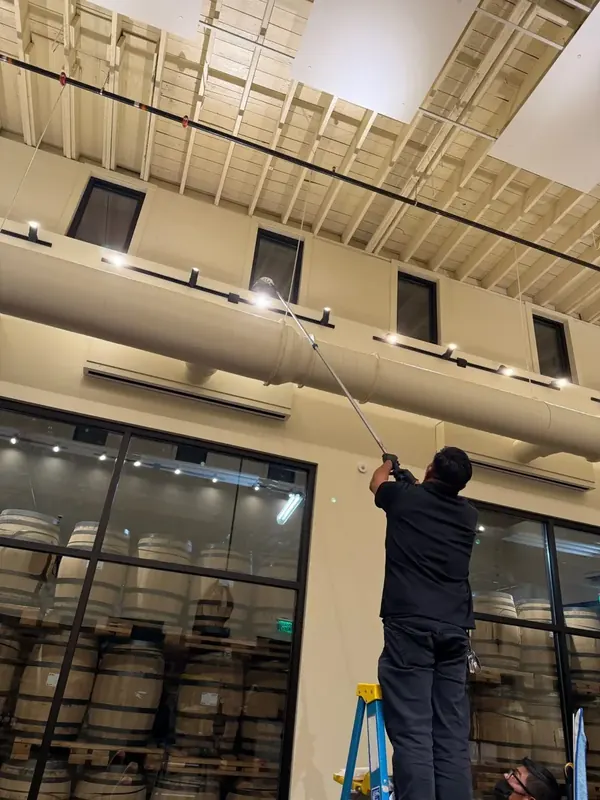
- Calendar-Driven Workflow: Church janitorial work is shaped by the ministry calendar. Cleaning schedules must be built around worship services, midweek youth programs, and special events rather than a generic corporate office schedule.
- Tailored Surface Protocols: Carpets, sanctuary rugs, and heavy drapes require different care from hard surfaces. The CDC advises applying cleaners appropriate for specific surfaces and using dedicated vacuuming for carpets and rugs (CDC, April 16, 2024).
- Children’s Areas & Kitchens: Nurseries, weekday childcare programs, and food preparation areas carry specialized health regulations. Dedicated sanitization protocols and safe, non-toxic products are essential.
- Access & Security in Writing: Because commercial cleaners often work after hours when the church building is vacant, background screening, key control, alarm access, and off-limit zones should always be formally documented.
Church cleaning services Nashville, TN look after more than a sanctuary. A congregation may also have a lobby, restrooms, classrooms, a fellowship hall, an administrative office wing, and sometimes a nursery or a commercial kitchen. Facility use comes in high-energy bursts around weekend worship services and midweek events, with quiet stretches in between. A dependable janitorial plan fits that unique rhythm.
This guide is for pastors, church administrators, trustees, and facility volunteers across the Nashville area who are deciding whether to hire a janitorial provider or are comparing current contractor proposals. It outlines what a comprehensive church cleaning scope includes, how to schedule around services, what to know regarding children’s areas and kitchens, how to handle access security, and how to evaluate bids. (This guide provides practical facility management recommendations and does not constitute formal legal or safety counsel.)
What Do Church Cleaning Services Include?
The exact scope depends on your building footprint, congregation size, and weekly ministry programs. However, most professional church janitorial agreements cover the core areas below. The table serves as a practical starting template based on established commercial practice:
| Church Space | Typical Recurring Tasks | Periodic Deep Tasks |
|---|---|---|
| Sanctuary & Nave | Vacuuming aisle carpets, dusting pew ledges, emptying trash/communion cups, spot-cleaning | Deep hot-water carpet extraction, hardwood floor refinishing, high-ceiling beam dusting |
| Lobby & Welcome Center | Hard floor mopping, entry door glass cleaning, wiping handrails, mat vacuuming | Architectural window washing, high-traffic floor stripping, buffing, and recoating |
| Restrooms | Fixture disinfection, partition sanitization, soap/paper restocking, floor mopping | Machine scrub deep cleaning of tile and grout lines, odor neutralization |
| Fellowship Hall | Sweeping, damp mopping floors, wiping banquet tables and chairs, emptying trash | High-speed floor burnishing, post-conference and large banquet recovery cleaning |
| Classrooms & Nursery | Vacuuming carpets, damp wiping tables, surface sanitizing, emptying wastebaskets | EPA-registered sanitization of high-touch educational fixtures, carpet deep rinse |
| Church Offices | Trash disposal, vacuuming pastoral offices, dusting desks and reception counters | Office upholstery extraction, seasonal detail baseboard and vent dusting |
| Kitchen & Serving Areas | Countertop wipe-downs, floor degreasing, sink cleaning outside active food prep | Exterior appliance degreasing, commercial kitchen hood exhaust maintenance |
| Exterior & Parking Portals | Litter sweep, front entrance sweeping, walk-off mat servicing | Commercial pressure washing of concrete walkways, portico steps, and entries |
Two vital practices make a church janitorial agreement seamless to enforce:
- Specify Explicit Exclusions: Document items that must not be handled by outside cleaners—such as soundboards, audiovisual gear, musical instruments, sacred altar vessels, historic stained glass, or heritage artifacts reserved strictly for pastoral volunteers.
- Distinguish Routine Maintenance from Periodic Tasks: Clearly differentiate routine post-service cleaning from periodic deep restoration (e.g., annual pew wood conditioning or semi-annual carpet extraction) so each is budgeted and inspected independently.
For an overview of ongoing commercial cleaning frameworks, see our commercial janitorial solutions guide.
How Do You Schedule Cleaning Around Services and Events?
Because church facilities experience heavy occupant surges at predictable intervals, janitorial shifts are best scheduled during the quiet operational gaps:
- Post-Sunday Service Turnaround: A Sunday evening or Monday morning clean resets the facility after weekend worship, preparing offices and classrooms for weekday activities. If your congregation hosts active Wednesday night dinners or youth groups, a secondary midweek touch-up prevents debris accumulation.
- Pre-Service Inspection Pass: High-visibility portals—restrooms, foyer entries, and the sanctuary—matter most before members arrive. Coordinate with your vendor to schedule a Friday or Saturday final touch to ensure supplies are stocked and floors are pristine.
- Event-Based Flex Scheduling: Weddings, memorial services, community banquets, and holiday concerts generate immediate cleaning needs. Establish a clear contractual protocol for requesting extra crew hours on short notice with transparent hourly rates.
- Seasonal Peaks: Christmas, Easter, Vacation Bible School (VBS), and fall festivals generate peak foot traffic. Plan seasonal deep cleans well in advance of major liturgical celebrations.
The CDC emphasizes regularly cleaning high-touch surfaces and notes that heavily trafficked zones require enhanced sanitization frequency (CDC Facility Guidelines). In a church, those priority areas include exterior entry handles, fellowship tables, handrails, and restroom hardware.
Soft Surfaces and Hard Surfaces: How Should Each Be Cleaned?
Many religious properties house diverse architectural materials under one roof—from historic solid oak pews and chancel wood paneling to wall-to-wall sanctuary carpeting and terrazzo vestibules. Different materials require dedicated cleaning chemistries:
- Soft Surfaces (Carpets, Sanctuary Upholstery & Drapes): The CDC guidelines advise cleaning soft surfaces with formulations specifically designed for those textiles, laundering washable items where feasible, and performing regular vacuuming with proper dust containment. High-traffic center aisles require periodic hot-water extraction to remove tracked-in Middle Tennessee clay and rain grit.
- Hard Non-Porous Surfaces (Counters, Door Hardware, Desks & Tile): Clean first with soap, water, or neutral detergents to lift surface soil before applying disinfectants, as organic dirt impairs disinfectant efficacy. Target high-touch points thoroughly.
- Interior Finished Wood (Pews, Altars & Paneling): Standard harsh hospital disinfectants can haze, strip, or damage antique wood finishes. Require your provider to explain what furniture cleaners they utilize on wood pews, and insist on spot-testing products on an inconspicuous wood surface before facility-wide application.
Learn more about maintaining hard surfaces in our commercial floor cleaning guide, floor waxing guide, and deep cleaning guide.
What Should You Know About Nurseries, Children’s Areas & Kitchens?
Children’s spaces and church kitchens demand specialized operational protocols, often governed by external health standards:
For standard weekend nurseries and Sunday school classrooms, implement these three best practices:
- High-Touch Toy & Surface Protocol: Changing tables, crib rails, play tables, and door handles experience constant contact. Define how frequently these fixtures are sanitized and by whom.
- Non-Toxic, Child-Safe Product Selection: Ensure cleaning agents used in infant areas are EPA-registered, residue-free, and properly rinsed according to manufacturer specifications.
- Division of Responsibility: Many congregations reserve toy washing and crib sheet laundering for trusted ministry volunteers while delegating floor care, trash disposal, and wall sanitization to the commercial cleaning service.
How Should You Handle Access, Keys and Security Screening?
Because janitorial technicians frequently service religious buildings when facilities are unoccupied, access management and child protection policies must be formally documented in your contract:
- Named Crew Roster: Require a documented list of every individual technician authorized to clean your premises, accompanied by immediate written notification whenever staffing changes occur.
- Credential & Key Control: Formally log who holds physical brass keys, alarm disarm codes, or RFID badges, with a mandatory requirement to report lost credentials immediately.
- Background Checks & Child Safety Policies: Inquire about the vendor’s pre-employment criminal screening procedures. If your congregation enforces a MinistrySafe or similar child protection policy, verify that third-party staff comply with those background requirements.
- Restricted & Sensitive Zones: Clearly designate off-limits areas—such as pastoral counseling offices, financial counting rooms, server closets, sound booths, or confidential record archives.
- Incident Reporting Protocols: Establish exact timelines for how cleaners report facility damage, unlocked doors, leaking plumbing, or suspicious circumstances.
For standard agreement language, read our commercial cleaning contract guide.
Should You Use Volunteers, a Janitorial Company, or Both?
Many congregations debate whether to clean via volunteer rotas, hire a professional service, or implement a collaborative hybrid approach. Consider these operational tradeoffs:
| Operational Factor | Volunteer-Only Model | Professional Janitorial Provider |
|---|---|---|
| Direct Cost | Minimal cash outlay, but high administrative coordination time | Predictable recurring monthly fee included in facility operating budget |
| Cleanliness Consistency | Variable; fluctuates based on volunteer turnout and fatigue | High; governed by structured checklists and contract SLAs |
| Equipment & Supplies | Limited to residential-grade vacuums and supplies the church owns | Industrial-grade HEPA equipment, microfiber systems, and commercial chemicals |
| Specialty Floor Work | Rarely feasible without specialized training | Professional carpet extraction, pew wood care, VCT stripping, and buffing |
| Accountability & Absenteeism | Informal; uncomfortable to address missed chores with church members | Contractual; provider provides replacement crews when staff are absent |
The Hybrid Alternative: Many Middle Tennessee churches successfully delegate weekly heavy cleaning, restroom sanitization, and carpet extraction to a professional commercial provider, while asking volunteers to handle light fellowship tidy-ups and Sunday morning coffee station wipe-downs.
How Do You Choose a Church Cleaning Company in Nashville?
When evaluating prospective commercial janitorial providers in Davidson, Williamson, or Rutherford County, use this standardized 8-step vetting checklist:
- Walk the Entire Facility Together: Ensure the vendor inspects every wing—sanctuary, balcony, fellowship hall, nursery, chancel, and exterior entryways. A quote given without walking the space is mere guesswork.
- Standardize Bid Metrics: Require all bidders to quote against the identical scope, breaking out price per visit, monthly flat fee, estimated on-site hours, and dedicated crew size.
- Review Service-Event Flexibility: Inquire how the provider manages weekend turnarounds and how emergency cleans for weddings or memorial services are requested and billed.
- Examine Surface Chemistry: Verify that the contractor understands how to treat fine wood pews, brass furnishings, and delicate textiles without harsh abrasives.
- Audit Security & Key Controls: Confirm that the company issues background checks, utilizes a named crew roster, and signs key accountability agreements.
- Verify Comprehensive Insurance: Request a current Certificate of Insurance (COI) carrying at least $2,000,000 in General Liability coverage and naming the church as an additional insured.
- Speak with Faith-Based References: Ask for contact information from at least two local churches or non-profit facilities in Middle Tennessee.
- Scrutinize Agreement Terms: Ensure cancellation clauses and 30-day performance exit terms are reasonable before signing.
For broader contractor evaluation standards, see our guide to professional commercial cleaning.
Where Does TNT Commercial Services 615 Work?
TNT Commercial Services 615 is a locally owned and operated commercial cleaning company headquartered at 4900 Centennial Blvd, Nashville, TN 37209. We proudly serve religious institutions, corporate offices, and educational facilities across Davidson County, Brentwood, Franklin, Hendersonville, Mount Juliet, Lebanon, and Murfreesboro.
Explore our complete commercial services directory or read our regional overview of commercial cleaning in Nashville, TN. Before scheduling services, our executive team conducts a detailed on-site evaluation to ensure our equipment, staffing, and security practices perfectly fit your congregation’s needs.
Frequently Asked Questions
What do church cleaning services in Nashville usually cover?
A comprehensive church scope typically encompasses the sanctuary, main foyer, restrooms, fellowship hall, classrooms, administrative offices, and entry vestibules. It integrates routine tasks (vacuuming, pew dusting, trash removal, restocking) with periodic deep maintenance (carpet hot-water extraction, floor buffing/waxing, and exterior pressure washing).
How often should a church be professionally cleaned?
Cleaning frequency depends on your weekly schedule. Most active congregations schedule a comprehensive clean immediately following Sunday services (Sunday evening or Monday) and add a lighter midweek touch-up before Wednesday night dinners or youth activities. Additional cleaning is scheduled around special events like weddings or funerals.
Do the same cleaning rules apply to a church nursery or kitchen?
Not always. If your church operates a licensed weekday preschool or public food service kitchen, specific Tennessee DHS or health department sanitization rules apply. Childcare spaces require non-toxic, child-safe EPA disinfectants, while kitchens require commercial-grade degreasing and surface sanitization.
Can commercial cleaners work around church services and events?
Yes, provided scheduling windows are established in advance. Experienced religious facility cleaners operate during the quiet weekday gaps and schedule flexible on-call hours to handle weddings, memorial services, or holiday programs without disrupting congregation life.
What should I ask a church cleaning company about security?
Inquire about background screening practices for all assigned crew members, protocol for key and alarm code management, rules for reporting lost credentials, and procedures for keeping sensitive areas (pastoral offices, sound booths, and financial records) securely locked.
About this guide
This guide was prepared by the TNT Commercial Services 615 technical team from public health sources and commercial janitorial experience. Surface cleaning and disinfection recommendations reference guidance published by the Centers for Disease Control and Prevention (CDC, April 16, 2024), which provides baseline standards for community facilities. Scope matrices, volunteer comparisons, and vetting advice represent professional recommendations. Church leadership should confirm specific childcare, food service, and insurance requirements with their relevant oversight agencies and insurance broker.